Challing: A Handwritten Font That Captures Timeless Elegance
In a world where digital communication often prioritizes speed and efficiency, there’s a growing appreciation for the warmth and personality that handwritten fonts bring to design. Challing is one such font that stands out—not just for its visual appeal, but for its ability to evoke emotion and connection in every letter. With its elegant touch and distinct style, Challing offers a unique blend of beauty and practicality that makes it ideal for a wide range of creative projects.
The Beauty of Handwritten Fonts in Modern Design
Handwritten fonts have long been associated with personal expression, but their relevance has only grown in recent years. As people seek more authentic and human elements in digital content, handwritten styles like Challing are becoming increasingly popular. Whether used in branding, marketing materials, or personal projects, these fonts add a layer of character that can elevate any design.
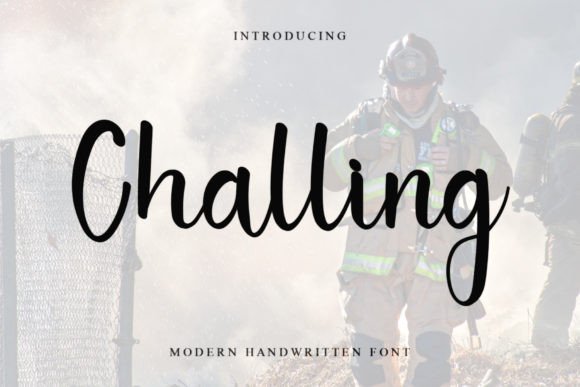
Challing is particularly notable for its refined elegance. Each stroke carries a sense of grace, making it feel both timeless and contemporary. Unlike many other handwritten fonts that can appear messy or overly stylized, Challing maintains a clean and consistent flow, ensuring readability without sacrificing charm.
Why Challing Matters in Today’s Creative Landscape
As remote work, digital collaboration, and online presence become more central to professional and personal life, the demand for visually engaging content has never been higher. Creators, marketers, and businesses alike are looking for ways to stand out in a crowded digital space. This is where Challing shines.
Its distinctiveness allows it to make a strong visual impact while still being versatile enough to suit various applications. From social media graphics to website headers, Challing can be adapted to fit different contexts without losing its signature elegance. This adaptability makes it a valuable tool for designers and content creators who want to maintain brand identity across multiple platforms.
Evolution of Handwritten Fonts and Their Role in Design Trends
The rise of digital typography has brought about significant changes in how we approach font selection. While sans-serif and serif fonts remain staples, the resurgence of handwritten styles reflects a broader cultural shift toward authenticity and individuality.
Challing fits seamlessly into this trend by offering a modern take on traditional handwriting. It’s not just about aesthetics—it’s about creating a connection between the viewer and the content. In an age where attention spans are short and information overload is common, fonts that convey personality and warmth can help cut through the noise.
Additionally, the increasing use of AI and automation in design workflows has led to a renewed appreciation for human-made elements. Challing serves as a reminder that even in a highly digitized world, the human touch remains irreplaceable. Its elegant, handwritten style brings a level of craftsmanship that machines cannot replicate.
Practical Applications of Challing in Real-World Projects
Whether you're a designer, marketer, educator, or entrepreneur, Challing can enhance your work in meaningful ways. Here are a few practical examples:
- Branding: Use Challing for logos, taglines, and promotional materials to create a distinctive brand identity that feels personal and memorable.
- Marketing: Incorporate Challing into email newsletters, social media posts, and landing pages to capture attention and build emotional engagement.
- Education: Teachers and educators can use Challing in lesson plans, handouts, and presentations to make learning materials more engaging and visually appealing.
- Freelancing: Freelancers and consultants can leverage Challing to differentiate their portfolios and proposals, adding a touch of creativity and professionalism.
- Personal Projects: From wedding invitations to DIY crafts, Challing adds a unique and elegant flair to personal creations.
By choosing Challing, you’re not just selecting a font—you’re investing in a design language that speaks to both form and function. It’s a choice that aligns with current trends while also offering lasting value.
How to Use Challing Effectively in Your Work
While Challing is undeniably beautiful, its effectiveness depends on how it’s applied. Here are some tips to ensure you get the most out of this font:
- Balance with Other Fonts: Although Challing is striking on its own, it works best when paired with complementary fonts for headings, body text, or accents.
- Consider Readability: Always test Challing in different sizes and backgrounds to ensure it remains legible in all contexts.
- Use It Strategically: Reserve Challing for key elements like titles, logos, or call-to-action buttons where its elegance can make the most impact.
- Experiment with Styles: Explore different weights and variations of Challing to find the version that best suits your project.
- Stay Consistent: Maintain a cohesive look across all design elements to reinforce brand identity and user experience.
By following these guidelines, you can ensure that Challing enhances your work rather than detracts from it. It’s a font that demands attention, but also respects the needs of your audience.
The Future of Challing in Design and Beyond
As the design landscape continues to evolve, the role of handwritten fonts like Challing will likely expand further. With more emphasis on storytelling, personalization, and user experience, fonts that convey emotion and authenticity will become even more valuable.
Challing is well-positioned to meet these evolving needs. Its timeless style ensures it remains relevant across generations, while its adaptability allows it to thrive in new formats and technologies. Whether you’re working on a small personal project or a large-scale business initiative, Challing offers a versatile and elegant solution.
Ultimately, Challing is more than just a font—it’s a statement. It represents a commitment to quality, creativity, and connection in an increasingly digital world. By incorporating Challing into your designs, you’re not only enhancing your visual appeal, but also creating a deeper, more meaningful experience for your audience.