Shortline: A Handwritten Font for Creative and Practical Workflows
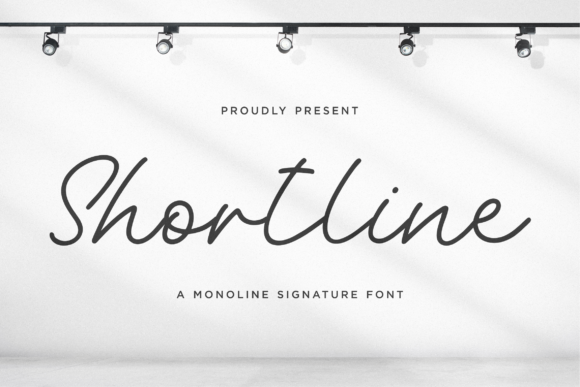
Shortline is a sweet and cursive handwritten font that brings a unique charm to any design project. Its gentle, flowing lines are perfect for adding a personal touch to both digital and print materials. Whether you're working on branding, marketing collateral, or personal creative projects, Shortline can elevate the visual appeal of your work without overwhelming the reader.
Where Does Shortline Fit in the Design Process?
Shortline isn't just a font—it's a tool that fits naturally into various stages of the design process. From initial concept sketches to final product delivery, its versatility makes it an asset for designers, writers, and creators across multiple industries.
Before a project begins, Shortline can be used in brainstorming sessions or mood boards to convey a warm, inviting tone. It works well with sketching ideas by hand and then digitizing them later. During the design phase, it can serve as a primary font for headers, titles, or call-to-action buttons. After the design is finalized, it can be used in promotional materials, social media posts, or even personal notes to maintain a consistent aesthetic.
How to Use Shortline in Different Contexts
Shortline’s elegant style lends itself to a wide range of applications. Here are some practical use cases:
- Branding: Ideal for logos, taglines, and brand messaging that needs to feel personal and approachable.
- Marketing: Great for social media graphics, email newsletters, and website headers that aim to engage audiences with a friendly vibe.
- Education: Perfect for creating study guides, flashcards, or classroom materials that are visually engaging for students.
- Personal Projects: Suitable for journals, planners, or DIY crafts where a handwritten look adds character.
- Business Communication: Can be used in presentations, reports, or internal documents to make content more relatable and memorable.
Its soft curves and legible structure ensure that it remains readable even at smaller sizes, making it suitable for both digital and print formats. This adaptability means that Shortline can be seamlessly integrated into workflows without sacrificing clarity or impact.
Integration with Other Tools and Platforms
One of the strengths of Shortline is its compatibility with a variety of design tools and platforms. Whether you're using Adobe Illustrator, Canva, Figma, or even Microsoft Word, Shortline can be easily imported and applied to text elements.
For web developers, Shortline can be used in HTML and CSS projects by embedding the font via Google Fonts or custom font files. This ensures that the font maintains its intended appearance across different devices and screen sizes. When paired with other fonts for body text, Shortline can create a balanced typographic hierarchy that enhances readability and visual interest.
Shortline also works well with design templates and stock assets. Many online marketplaces offer pre-designed templates that incorporate this font, saving time and effort for users who need quick solutions for their projects.
Practical Implementation Tips
To get the most out of Shortline, consider these tips for effective implementation:
- Start Small: Begin by using Shortline in one section of a project, such as a header or a callout box, to test how it looks in context.
- Pair Thoughtfully: Combine Shortline with a clean, sans-serif font for body text to maintain balance and ensure readability.
- Use Consistently: Apply Shortline across all similar elements—like headings, subheadings, or labels—to create a cohesive brand identity.
- Test Across Devices: Ensure that the font renders correctly on different screens and devices, especially when used in web-based content.
- Keep It Simple: Avoid overusing Shortline in complex layouts where it might become distracting or hard to read.
These strategies help ensure that Shortline is used effectively while maintaining the integrity of the overall design.
Workflow Examples and Observations
Let’s explore a few workflow examples to see how Shortline can be incorporated into real-world scenarios:
Example 1: Social Media Campaign
A small business owner launching a new product can use Shortline for headlines and key messages in their social media posts. The font adds a personal touch that resonates with followers, making the campaign feel more authentic and engaging.
Example 2: Educational Content Creation
An educator developing interactive learning materials can apply Shortline to headings and summaries. This helps break up dense text and keeps students engaged with a more approachable visual style.
Example 3: Personal Branding
A freelancer building a personal brand can use Shortline in their portfolio and website. It gives their work a distinctive, handmade feel that sets them apart from competitors.
By integrating Shortline into these workflows, users can enhance both the aesthetics and effectiveness of their projects.
Factors to Consider for Long-Term Use
When considering the long-term use of Shortline, several factors should be taken into account:
- Preparation: Ensure that the font is properly installed and accessible across all platforms and devices used in your workflow.
- Compatibility: Verify that the font works well with the tools and platforms you rely on daily.
- Usability: Test how the font performs in different contexts, such as print versus digital, to avoid unexpected issues.
- Organization: Keep track of where and how you’re using Shortline to maintain consistency and avoid overuse.
- Efficiency: Use Shortline strategically to maximize its impact without complicating your workflow.
- Consistency: Apply the font consistently across all related materials to reinforce brand identity and user experience.
- Quality Control: Regularly review how the font appears in different environments to ensure it maintains its intended quality.
By addressing these factors, users can ensure that Shortline remains a valuable and reliable part of their design toolkit.