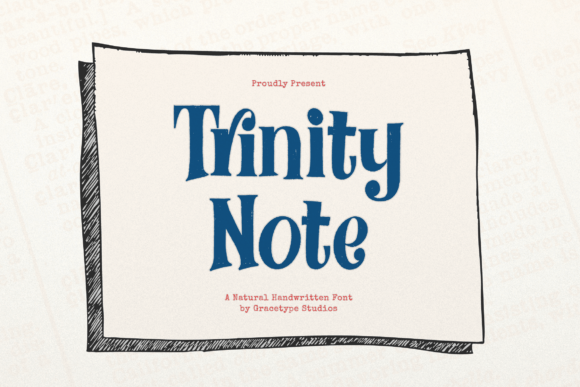
Trinity Note: The Art of Handwritten Expression in the Digital Age
In an era dominated by digital communication, where text appears on screens and messages are typed with precision, there remains a unique charm in handwritten expression. Trinity Note, a natural handwritten font, captures this essence with its organic, ink-on-paper texture that evokes the feeling of a pen gliding across paper. This display typeface is not just a design—it's a storytelling tool that brings authenticity and warmth to any visual project.
The Aesthetic of Authenticity
Trinity Note is crafted to mimic the irregularities and rhythms of real handwriting. Its tall, flowing letterforms and subtle variations in stroke weight give it a sense of life and movement. Unlike the rigid lines of most digital fonts, Trinity Note feels like it was written by hand, making it ideal for projects that require a personal touch.
This font’s design philosophy centers around the idea of natural handwriting. It avoids the stiffness of typographic conventions, instead embracing the imperfections that make human writing relatable. Whether you're creating a greeting card or designing a social media header, Trinity Note adds a layer of personality that digital fonts often lack.
Why Handwriting Matters in Design
Handwritten fonts like Trinity Note are more than just decorative elements—they carry emotional weight. They can convey warmth, creativity, and individuality, which are essential in branding and content creation. For instance, a boutique stationery brand might use Trinity Note to reinforce its identity as a space for thoughtful, handmade products.
Moreover, handwriting has a psychological impact. Studies show that handwritten notes are perceived as more sincere and personal compared to typed ones. This makes Trinity Note a powerful choice for anyone looking to connect with their audience on a deeper level.
Applications Across Industries
The versatility of Trinity Note allows it to be used in a wide range of contexts. Here are some of the most common applications:
- Independent Lifestyle Branding: Trinity Note is perfect for small businesses and lifestyle brands that want to stand out with a unique, handcrafted look.
- Boutique Stationery: From wedding invitations to thank-you notes, this font adds a personal and elegant touch to stationery designs.
- Heartfelt Greeting Cards: Whether it's a birthday card or a sympathy note, Trinity Note helps convey genuine emotion through its organic style.
- Cinematic Scrapbook Style: Social media headers and photo collages often benefit from the nostalgic, hand-drawn aesthetic of Trinity Note.
These use cases highlight how Trinity Note bridges the gap between digital and analog, offering a solution that feels both modern and timeless.
Design Considerations for Effective Use
While Trinity Note is visually appealing, it's important to consider how it integrates into your overall design. Here are some key considerations:
- Contrast: Pair Trinity Note with clean, sans-serif fonts to ensure readability and balance in your design.
- Spacing: Allow enough space between letters to maintain the legibility of the font, especially when using it in larger formats.
- Color: While the font works well in black and white, experimenting with colors can enhance its visual impact, particularly in print materials.
- Use Cases: Avoid overusing the font in technical or formal contexts. Save it for creative, expressive, and personal projects.
By keeping these factors in mind, designers can effectively leverage Trinity Note to create compelling and meaningful visuals.
Comparing Trinity Note to Other Handwritten Fonts
There are many handwritten fonts available, each with its own character and purpose. However, Trinity Note stands out for its balance of elegance and approachability. Compared to other fonts like Great Vibes or Charlemagne Std, Trinity Note offers a more refined and consistent look while still maintaining the charm of handwritten script.
One of the key advantages of Trinity Note is its adaptability. It performs well in both digital and print formats, making it a versatile choice for various media. Additionally, its rhythmic structure ensures that it reads smoothly, even when used in longer texts.
Real-World Examples of Trinity Note in Action
To better understand how Trinity Note is applied in practice, let's look at a few examples:
- A Personal Blog: A lifestyle blogger might use Trinity Note for headings and quotes to add a personal, handcrafted feel to their content.
- A Product Packaging Design: A boutique candle company could incorporate Trinity Note into their packaging to reflect the artisanal nature of their products.
- Social Media Headers: Influencers and content creators often use Trinity Note in their Instagram or Pinterest headers to create a cohesive, brand-specific look.
These examples demonstrate how Trinity Note can be seamlessly integrated into different design scenarios, enhancing both aesthetics and user experience.
Conclusion
Trinity Note is more than just a font—it's a medium for storytelling. With its natural, handwritten style, it brings a sense of authenticity and warmth to any project. Whether you're a designer, marketer, or content creator, incorporating Trinity Note into your work can elevate your message and connect with your audience in a more meaningful way.
As we continue to navigate the digital landscape, the value of handwritten expression remains undiminished. Trinity Note is a testament to the enduring power of handcrafted design in a world that often prioritizes speed and efficiency.